The man
Scripture gives him one scene and no name; tradition calls him Dismas. The film imagines the life that put him on that hill: a thief released from prison on parole, who comes home to find his father killed by Roman soldiers.
What follows is a revenge story. Armed with sleight of hand and fueled by hate, Dismas steals from the Roman and Jewish leaders to provide for his family, then joins a crew of thieves for their biggest score, the temple in Jerusalem. It all goes wrong. He lands back in prison, and his cell window looks out on the most important event in human history.
The moment
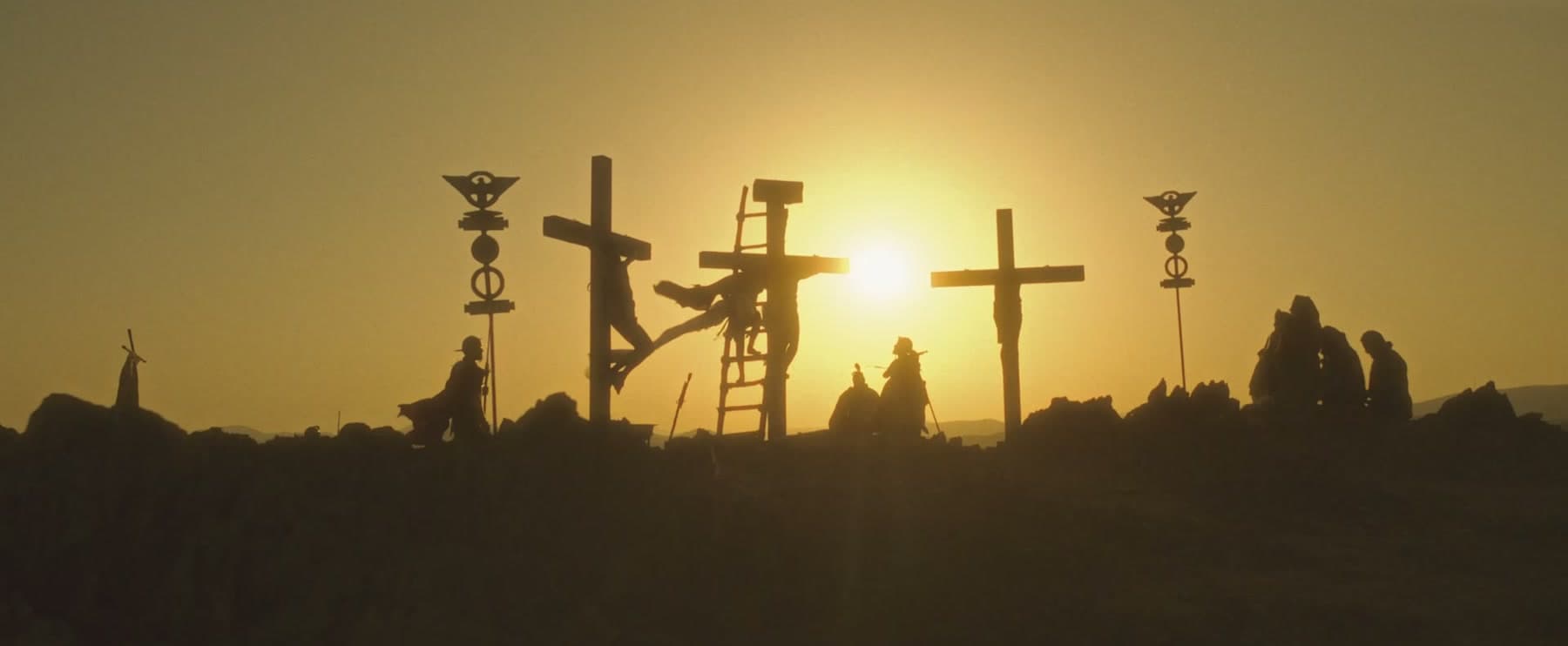
From that window Dismas watches Jesus beaten and condemned: quiet, submissive, praying for the men who kill him. Everything about it is the opposite of Dismas's rage. They are crucified feet apart, and while the other thief mocks, Dismas hears the words that undo him:
“Father, forgive them, for they know not what they do.”Luke 23:34
A criminal with hours to live asks to be remembered. The answer he receives — today you will be with me in paradise — is the shortest, clearest picture of grace in the Bible: no time to earn anything, nothing to offer, mercy anyway.
Why this story, why now
In 2011, Pastor Colin Smith preached that scene at a Chicago-area church. One listener, John Aiello, used the recording to share the gospel with his father, who came to faith months before his passing in 2012. John has told that story publicly: “I shared the gospel with my dad, and millions overheard.”
The sermon became the book Heaven, How I Got Here in 2015, and the book kept traveling: into translation, onto the radio, onto the stage, onto screens. The feature film is the same story at its fullest scale, for audiences who will never pick up a sermon but will sit in a theater.
The conviction underneath all of it: no one is beyond the reach of that mercy.